Cirrhosis Overview
What is Cirrhosis?
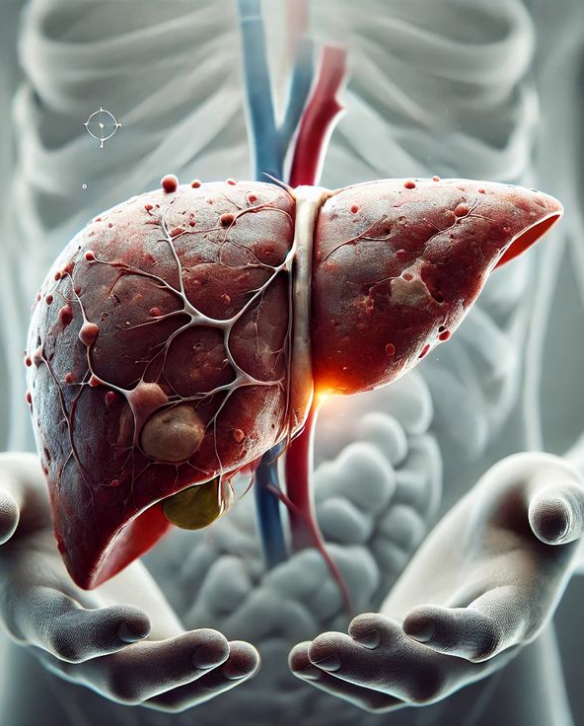
Cirrhosis is a late stage of chronic liver disease in which healthy liver tissue is gradually replaced by scar tissue. This scarring slows down the liver’s ability to function normally, leading to serious complications over time. The liver performs essential tasks such as filtering toxins, producing proteins, aiding digestion, and storing nutrients. When cirrhosis develops, these functions weaken, making it difficult for the body to stay healthy.
Cirrhosis of the liver can develop after years of liver inflammation or continuous injury. Conditions such as chronic alcohol consumption, viral hepatitis (Hepatitis B or C), fatty liver disease, and autoimmune disorders are among the most common cirrhosis causes. Because the liver can repair itself, damage often goes unnoticed for years until symptoms begin to appear.
Cirrhosis Meaning
The term cirrhosis refers to permanent scarring of liver tissue. Once scar tissue forms, it cannot be reversed, but early diagnosis can slow progression and prevent complications.
Why it Happens?
Caused by long-term inflammation from alcohol, fatty liver, hepatitis, or autoimmune liver disorders. Over time, this damage creates scar tissue that replaces healthy cells and affects liver function.
How Cirrhosis Begins?
Triggered by persistent liver injury from toxins, metabolic issues, viral infections, or immune reactions. Over time, fibrosis develops, reducing healthy tissue and impairing overall liver function.
Common Symptoms
- Fatigue and weakness
- Loss of appetite and weight loss
- Nausea or digestive discomfort
- Persistent itching
- Yellowing of skin and eyes (jaundice)
- Swelling in legs, feet, and abdomen
- Easy bruising or bleeding
- Confusion and memory problems
- Dark urine or pale stools
Looking for a Smarter Way to Track Liver Health?
Try it stress-free — We never modify medical data without your confirmation.
